
Monthly Archives: May 2025

Reclaiming Focus: How to Break the Cycle of Digital Distraction

In an age of endless notifications, open tabs, and dopamine-triggering social media apps, staying focused has become one of the biggest modern-day challenges. Our brains, once wired for deep concentration, are now trained to seek instant gratification and constant stimulation. The result? Reduced productivity, heightened stress, and a constant feeling of mental fatigue.

But breaking the cycle of digital distraction is not only possible—it’s essential for mental clarity, creativity, and personal growth. Here’s how to reclaim your focus in a digitally overwhelming world.


Understanding Digital Distraction

Digital distraction occurs when the technology designed to connect and inform us starts to pull us away from meaningful tasks and moments. Whether it’s checking social media in the middle of a work session or aimlessly scrolling through videos before bed, these behaviors fragment our attention.

According to research, it can take up to 23 minutes to fully regain focus after a distraction. Multiply that by several interruptions a day, and you can see how digital distractions severely impact productivity and mental bandwidth.


Signs You’re Trapped in a Distraction Cycle

  • Constantly switching between apps or tabs
  • Feeling anxious or bored without your phone
  • Difficulty finishing tasks or retaining information
  • Frequently reaching for your device without thinking
  • Struggling to enjoy offline activities

Recognizing the problem is the first step toward breaking the cycle.


Strategies to Reclaim Your Focus

1. Create a Distraction-Free Work Zone

Start by redesigning your environment to support focus:

  • Turn off non-essential notifications on your phone and computer.
  • Use apps like Forest or Freedom to block distracting websites.
  • Keep only one tab or app open at a time when working.
  • Put your phone in another room or on “Do Not Disturb” during deep work sessions.

2. Practice the Pomodoro Technique

The Pomodoro Technique involves working in focused 25-minute intervals followed by 5-minute breaks. After four cycles, take a longer 15–30-minute break. This method trains your brain to concentrate and builds mental endurance over time.

3. Schedule Your Distractions

You don’t have to quit digital entertainment entirely—just make it intentional.

  • Set specific times during the day for checking email, social media, or news.
  • Use a timer so sessions don’t stretch beyond your planned limits.
  • Avoid multitasking. Give your full attention to work, then fully enjoy your downtime.

4. Rebuild Your Attention Span

Like a muscle, attention improves with regular training:

  • Read physical books to practice sustained focus.
  • Meditate or do breathing exercises for a few minutes each day.
  • Engage in activities that require concentration, such as puzzles, writing, or drawing.

5. Prioritize Sleep and Mindfulness

Digital distraction often worsens when we’re mentally tired or emotionally drained. Get enough rest, eat well, and take mindful pauses throughout the day to reset your mental state.


Final Thoughts

Digital distractions may be everywhere, but your attention is a resource you can protect and reclaim. With mindful strategies and consistent habits, you can break free from the cycle of digital noise and rediscover the satisfaction of deep focus and meaningful work. Start with small changes—your clarity and peace of mind will thank you.
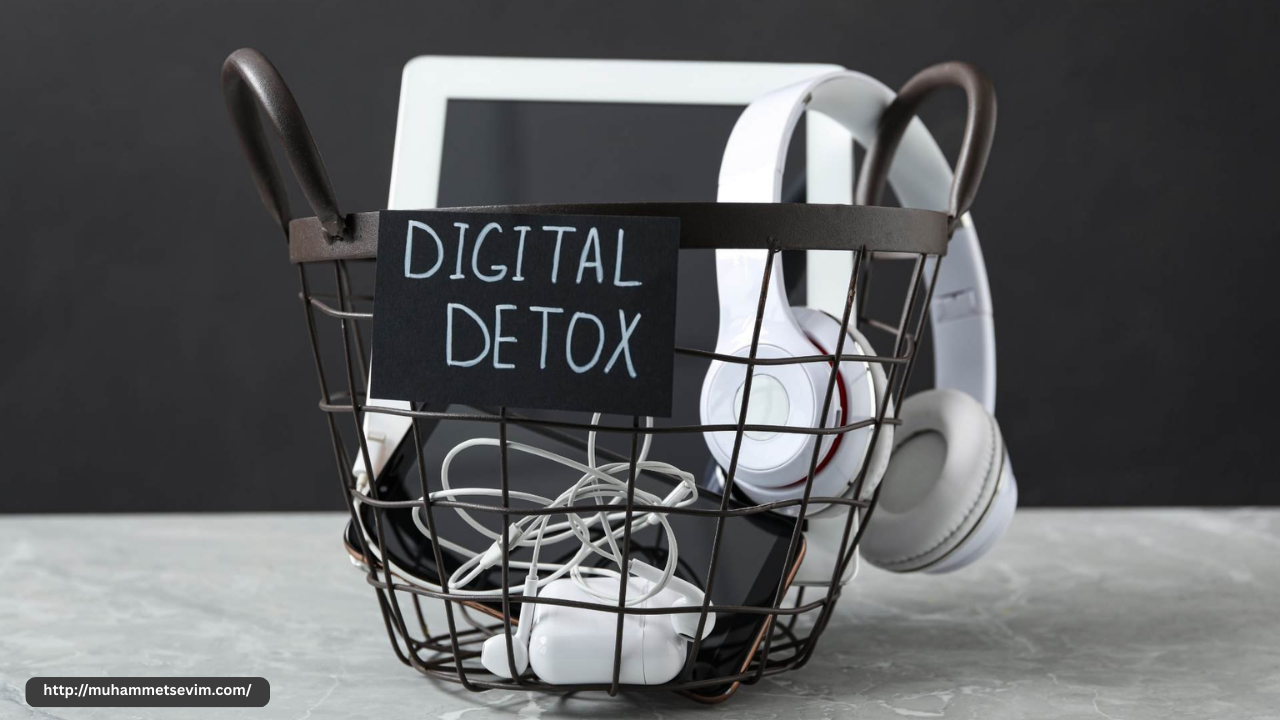
Logging Out to Tune In: How a Web Detox Can Improve Mental Health

In a world increasingly dominated by digital screens, many of us are constantly connected—checking emails, refreshing social media feeds, and scrolling through endless content. While the internet offers countless benefits, it can also take a toll on our mental health. Anxiety, stress, comparison, and burnout are common side effects of excessive online time. That’s why logging out and embracing a web detox has become not just beneficial, but essential for emotional well-being.

The Mental Strain of Constant Connectivity

The internet has become a 24/7 presence in our lives. Smartphones ensure that we’re never truly offline, and many people feel pressure to stay “plugged in” at all times—whether for work, news, or social media. This constant exposure can lead to:

  • Information overload – Too much content, especially negative news, can cause stress and mental fatigue.
  • Social comparison – Seeing curated highlights of others’ lives often leads to feelings of inadequacy and low self-esteem.
  • Sleep disruption – Blue light from screens and late-night scrolling interfere with quality rest.
  • Reduced attention span – Constant notifications and multitasking make it difficult to concentrate or stay present.

These symptoms are subtle at first but can accumulate and significantly impact your emotional health.


What Is a Web Detox?

A web detox involves intentionally taking a break from non-essential internet use. This may mean logging out of social media, avoiding streaming services, or setting strict limits on daily screen time. The goal isn’t to eliminate technology completely—it’s to create space to reconnect with yourself and the world around you.


How a Web Detox Supports Mental Health

1. Reduces Anxiety and Stress

Without the constant stream of updates and notifications, your mind has room to relax. Taking a break from the digital noise allows your nervous system to reset and decreases the feeling of always needing to respond or react.

2. Improves Focus and Productivity

By stepping away from distractions, your brain can concentrate more deeply. You may notice that tasks take less time, creative ideas flow more easily, and you feel mentally sharper.

3. Enhances Emotional Regulation

Without being bombarded by online negativity or comparisons, it’s easier to stay in tune with your own emotions. A web detox can help you become more mindful, grounded, and emotionally resilient.

4. Boosts Real-World Relationships

When you’re not glued to a screen, you can invest more time in face-to-face conversations, deepen connections with loved ones, and enjoy meaningful social interactions.


How to Start Your Own Web Detox

  • Set clear goals – Decide what you’re avoiding (social media, browsing, news) and for how long.
  • Inform others – Let friends and family know you’re taking a break so they understand the change.
  • Fill the gap – Replace screen time with offline activities like reading, exercising, journaling, or spending time in nature.
  • Reflect – Use the detox as a chance to observe how your mood, focus, and energy shift without digital noise.

Final Thoughts

Logging out is more than turning off a device—it’s about tuning back into your thoughts, emotions, and experiences. A web detox offers a powerful opportunity to reset mentally, emotionally, and even spiritually. If you feel overwhelmed or disconnected, stepping away from the digital world—even briefly—could be one of the best decisions you make for your mental health.