Monthly Archives: September 2025

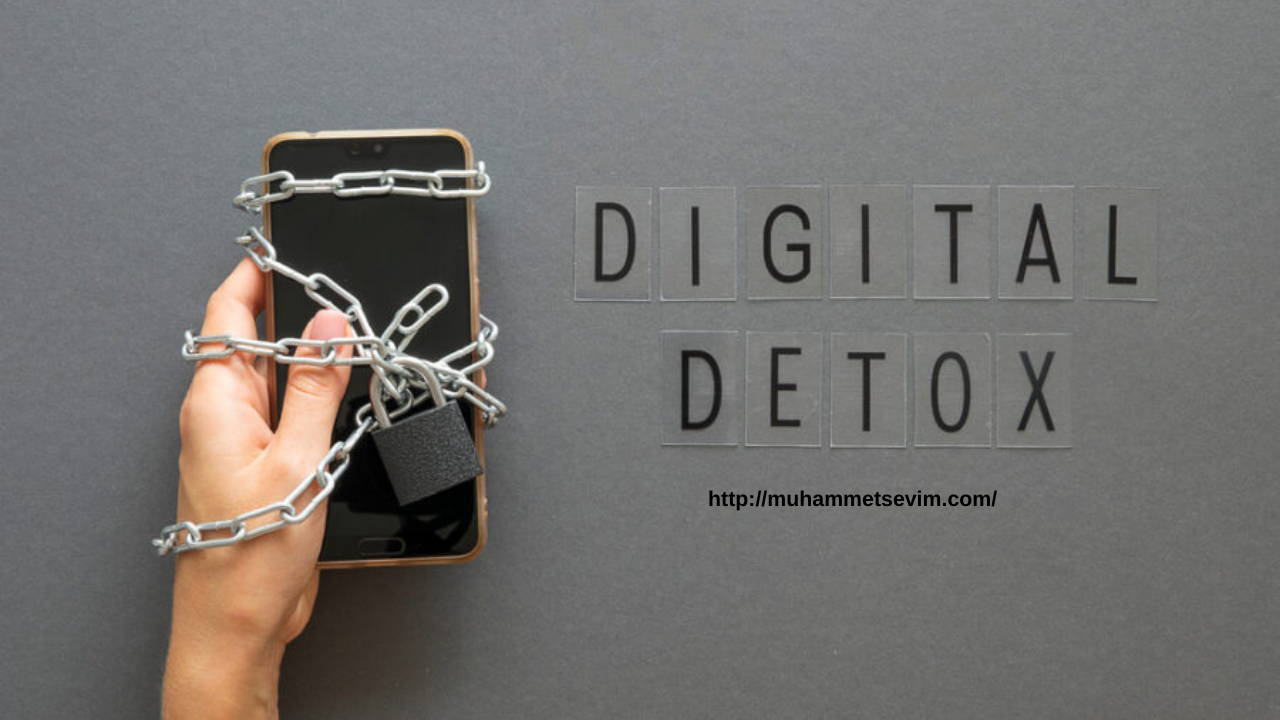
Escaping the Digital Trap: Steps to Detox Your Brain and Reclaim Your Day

Every day, millions of people wake up and immediately reach for their phones. Notifications, news alerts, and social feeds set the tone for the hours ahead. While technology keeps us connected, overuse can silently consume energy, scatter focus, and increase stress. For individuals in recovery or those working on their mental health, this constant digital stimulation can become a heavy burden. Escaping the digital trap is not about rejecting technology entirely. It is about learning to create balance, giving the brain time to rest, and reclaiming the day with clarity and purpose.

The Digital Trap and Its Effects on Mental Health

The digital world is designed to capture attention. Endless scrolling, constant alerts, and the pressure to stay connected pull people into patterns that are hard to break. These patterns may feel harmless, but over time, they take a toll on mental health.

  • Anxiety and stress rise with constant exposure to information and comparison.
  • Focus and memory weaken when the brain is overloaded with notifications.
  • Sleep quality suffers when screens invade late-night routines.

For someone in addiction recovery, these challenges can interfere with healing, making it harder to build healthy habits and strengthen resilience.

Steps to Detox Your Brain and Reclaim Balance

1. Set Boundaries with Screen Time

Start by creating simple rules for when and how you use devices. Turning off non-essential notifications or setting time limits helps reduce digital noise and makes it easier to focus on what truly matters.

2. Replace Digital Habits with Restorative Activities

Instead of reaching for your phone during breaks, try journaling, prayer, or meditation. Physical activities such as walking or stretching also give the mind a chance to reset and restore balance.

3. Establish Tech-Free Zones

Choose specific spaces in your home where technology is not allowed. Bedrooms, dining tables, and areas of reflection are ideal places to protect from digital intrusion. These zones encourage better rest and more meaningful connections.

4. Practice Mindful Engagement

When you use technology, do it with intention. Ask yourself what purpose it serves in the moment. Avoid passive scrolling and focus on tasks that enrich your life or support your recovery.

5. Build a Supportive Network

Tell a trusted friend, family member, or counselor about your digital detox goals. Accountability creates motivation and helps you stay consistent when the urge to slip back into old patterns arises.

Digital Detox as Part of Recovery

At Muhammet Sevim, we recognize that recovery involves more than overcoming addiction. It requires healing the whole person—mind, body, and spirit. A digital detox is a powerful tool to complement professional treatment, offering space for deeper reflection and stronger emotional health. When combined with our holistic, faith-based, and individualized care, these practices help clients find balance and live with renewed clarity.

Take the First Step Toward Clarity

Breaking free from the digital trap begins with one simple choice: creating space for your mind to rest and reset. By setting boundaries, replacing digital habits with healthier ones, and seeking support, you can reclaim your day and protect your mental well-being.

If you or someone you love is struggling with addiction or the effects of digital overload, our team at Muhammet Sevim is here to help. With compassionate care and personalized treatment, you can begin the journey toward focus, balance, and peace of mind. Reach out today and take the first step toward lasting change.


Reclaim Your Mind: The Cognitive Benefits of Taking a Tech Timeout

Technology has become a constant presence in our lives. Phones buzz, screens glow, and endless feeds call for attention. While digital tools can connect us, they also carry the risk of mental overload. For individuals in addiction recovery or those managing mental health challenges, this constant stimulation can interfere with healing. Taking a tech timeout is more than a lifestyle choice. It is a powerful way to restore cognitive function, reduce stress, and create space for meaningful growth.

The Hidden Toll of Digital Overload

Excessive screen time impacts the brain in ways that often go unnoticed. Constant multitasking reduces focus, while exposure to endless information strains memory and decision-making. Over time, this cycle can lead to mental fatigue and emotional exhaustion.

For someone in recovery, this environment can feel overwhelming. Digital distractions may trigger old habits, hinder self-reflection, and increase anxiety. Recognizing the toll of digital overload is the first step in reclaiming mental clarity.

The Cognitive Benefits of Taking a Tech Timeout

Sharper Focus and Concentration

When the brain is freed from constant notifications, it can settle into deeper focus. A tech timeout allows you to direct attention where it truly matters—therapy, family, personal growth, or spiritual practice.

Improved Memory Function

Research shows that heavy digital use can impair short-term memory. Reducing screen exposure creates mental space for the brain to process, store, and recall information more effectively.

Stronger Emotional Regulation

A break from the digital world helps regulate mood by lowering exposure to stressful content and comparison. This calm mental state supports emotional balance, a vital part of recovery.

Enhanced Problem-Solving Skills

Without the interference of constant distractions, the brain has the capacity to think critically and solve problems with clarity. This benefit is especially important for those navigating the challenges of long-term recovery.

Practical Ways to Take a Tech Timeout

1. Set Boundaries with Devices

Designate certain times of the day to disconnect. Mornings and evenings are ideal moments to create calm and focus.

2. Replace Screen Time with Healing Activities

Choose offline practices that support recovery, such as journaling, prayer, meditation, or spending time in nature. These activities encourage reflection and personal growth.

3. Create Tech-Free Zones

Make your bedroom or dining table a place where screens are not allowed. These zones encourage deeper rest and more meaningful relationships.

4. Practice Mindful Technology Use

When you do use technology, set clear intentions. Ask yourself why you are logging in, and log off once your purpose is complete.

Integrating Tech Timeouts into Recovery

At Muhammet Sevim, we understand that healing involves more than addressing symptoms. True recovery is holistic. By incorporating tech timeouts, clients strengthen mental clarity, nurture emotional balance, and rediscover inner peace. Our faith-based and personalized care approach empowers individuals to reconnect with themselves and the world around them without distraction.

Take the First Step Toward Clarity

Reclaiming your mind starts with a simple choice: pause the screen and allow your brain to reset. A tech timeout is not about giving up technology altogether. It is about using it with purpose while prioritizing your mental health and recovery.

If you or a loved one is struggling with addiction or mental health challenges, now is the time to seek help. Contact our compassionate team at Muhammet Sevim to learn more about our inpatient and outpatient programs. With the right support, you can find clarity, rebuild focus, and begin living with renewed purpose.

Pause the Feed: How to Stop Digital Burnout and Start Living Again

In today’s hyperconnected world, it is easy to feel constantly drained. Endless notifications, scrolling feeds, and digital obligations can create a cycle of mental exhaustion known as digital burnout. For those navigating addiction recovery or managing mental health challenges, this overload can be particularly damaging. Taking intentional steps to pause, reset, and reclaim control over technology is not just beneficial—it is essential. A mindful break from screens can restore mental clarity, emotional balance, and the focus needed for lasting healing.

Understanding Digital Burnout and Its Effects

Digital burnout occurs when the brain is overstimulated by constant online activity. Social media, news updates, emails, and streaming content demand attention, creating stress and anxiety. For individuals in recovery, this environment can undermine the coping strategies developed in treatment.

Some common signs of digital burnout include:

  • Persistent fatigue despite rest
  • Difficulty concentrating or remembering tasks
  • Heightened irritability or emotional reactivity
  • Decreased motivation for meaningful activities
  • Trouble sleeping or maintaining routines

Recognizing these symptoms is the first step toward reclaiming your energy and focus.

Why Pausing the Feed Supports Recovery

Recovery is a holistic journey that encompasses mind, body, and spirit. Reducing digital overload aligns with this approach by allowing the brain to reset, reducing stress, and enhancing emotional awareness. When screen time is limited, individuals are better able to engage in therapy, practice mindfulness, and strengthen social connections that support healing.

Mental Clarity and Focus

Stepping away from screens gives the brain a chance to focus without constant interruptions. This mental space improves decision-making, memory, and the ability to concentrate on recovery goals.

Emotional Balance

Reducing exposure to online negativity, comparison, or overstimulation lowers anxiety and irritability. This creates a calmer mental state that supports resilience and emotional growth.

Improved Sleep and Energy

Avoiding screens before bedtime helps regulate natural sleep cycles. Quality sleep restores energy levels, improves mood, and enhances the body’s ability to heal.

Practical Steps to Pause the Feed

1. Schedule Daily Tech-Free Periods

Set aside specific times each day to disconnect from devices. Early mornings, meals, or evenings are ideal moments to cultivate mindfulness and presence.

2. Create Tech-Free Zones

Establish areas in your home where phones and computers are not allowed, such as bedrooms and dining areas. These spaces encourage restful sleep and meaningful social interactions.

3. Replace Digital Time with Healing Activities

Engage in offline practices that support recovery. Journaling, prayer, walking outdoors, or creative hobbies can provide both relaxation and personal growth.

4. Use Mindful Technology Practices

When you do engage online, set intentions. Ask yourself why you are opening an app or website and leave once your purpose is complete. Avoid multitasking across multiple screens.

5. Seek Support and Accountability

Share your goals with a counselor or support group. Accountability strengthens commitment and helps maintain consistent habits.

Integrating Digital Detox into Holistic Recovery

At Muhammet Sevim, our programs emphasize holistic, faith-based, and individualized care. Pausing the digital feed complements our approach by allowing clients to focus on therapy, strengthen relationships, and nurture spiritual well-being. It is a practical, science-backed strategy that reinforces the entire recovery journey.

Taking the Next Step

Digital burnout is not a permanent condition. With intentional effort and supportive guidance, it is possible to regain mental clarity, emotional balance, and a sense of control over your life. If you or a loved one is struggling with addiction or mental health challenges, our compassionate team is here to help. Contact us today to learn more about how our inpatient and outpatient programs can support your journey toward focus, healing, and renewed purpose.

Offline is the New Luxury: Why Digital Detoxing Heals the Brain

In a world where we are constantly connected, true peace of mind has become rare. The endless cycle of notifications, social media updates, and digital noise leaves many people feeling drained, distracted, and overwhelmed. For those navigating addiction recovery or working through mental health challenges, this constant stimulation can make healing even harder. Choosing to disconnect, even for a short time, can feel like a luxury. Yet research shows that digital detoxing is more than just a trend. It is a powerful tool for restoring the brain, rebuilding focus, and supporting long-term recovery.

The Hidden Cost of Constant Connection

Technology offers convenience and connection, but too much screen time can take a toll on the brain. Excessive digital use has been linked to higher stress levels, poor sleep, and difficulty concentrating. For someone already battling addiction or managing anxiety and depression, this overload creates added barriers to healing.

Digital dependence often fuels restless thoughts and prevents the brain from entering a calm, restorative state. This cycle mirrors patterns seen in substance use, where instant gratification replaces mindful living. Breaking that cycle through intentional detoxing allows the brain to reset and the body to restore balance.

How Digital Detoxing Heals the Brain

A digital detox is not about abandoning technology altogether. It is about setting boundaries that give the mind and body space to recover.

Reduced Stress and Anxiety

Stepping away from constant notifications helps regulate the nervous system. The brain shifts out of high alert mode, allowing feelings of calm and clarity to return.

Improved Sleep Patterns

Blue light from screens disrupts natural sleep cycles. By limiting evening screen use, many people experience deeper rest and more energy throughout the day.

Restored Focus and Memory

When the brain is not overwhelmed by digital noise, it becomes easier to concentrate, retain information, and engage meaningfully in therapy or daily life.

Stronger Emotional Health

Detoxing from social media helps reduce comparison, envy, and negative self-talk. This shift is especially healing for those rebuilding confidence in recovery.

Practical Steps to Begin Your Digital Detox

1. Start Small and Build Consistency

Begin with short screen-free times during the day, such as mornings or mealtimes. Consistency matters more than perfection.

2. Create Tech-Free Spaces

Keep devices out of bedrooms and therapy spaces. Protecting these areas helps nurture rest and reflection.

3. Replace Screens with Healing Activities

Engage in mindfulness, journaling, prayer, or outdoor walks. These practices not only ease cravings for screen time but also strengthen recovery habits.

4. Seek Guidance and Accountability

Talk with your counselor or recovery support group about your digital detox goals. Encouragement from others helps you stay on track.

Digital Detox as Part of Holistic Recovery

At Muhammet Sevim, we believe that recovery is about more than overcoming addiction. It is about creating balance in every area of life. Our holistic and faith-based approaches recognize the importance of healing the whole person. A digital detox is one practical way to nurture that healing by calming the brain, improving focus, and strengthening emotional well-being.

When combined with evidence-based treatment, counseling, and community support, stepping offline becomes a powerful part of the recovery journey.

Taking the Next Step

In today’s world, being offline is not just a luxury. It is an essential step toward restoring your mind and reclaiming your life. If you or someone you love is struggling with addiction or the weight of digital overload, help is available.

At Muhammet Sevim, we provide compassionate, personalized care through inpatient and outpatient programs that honor each person’s unique path. Reach out today to begin your journey toward focus, clarity, and peace.