
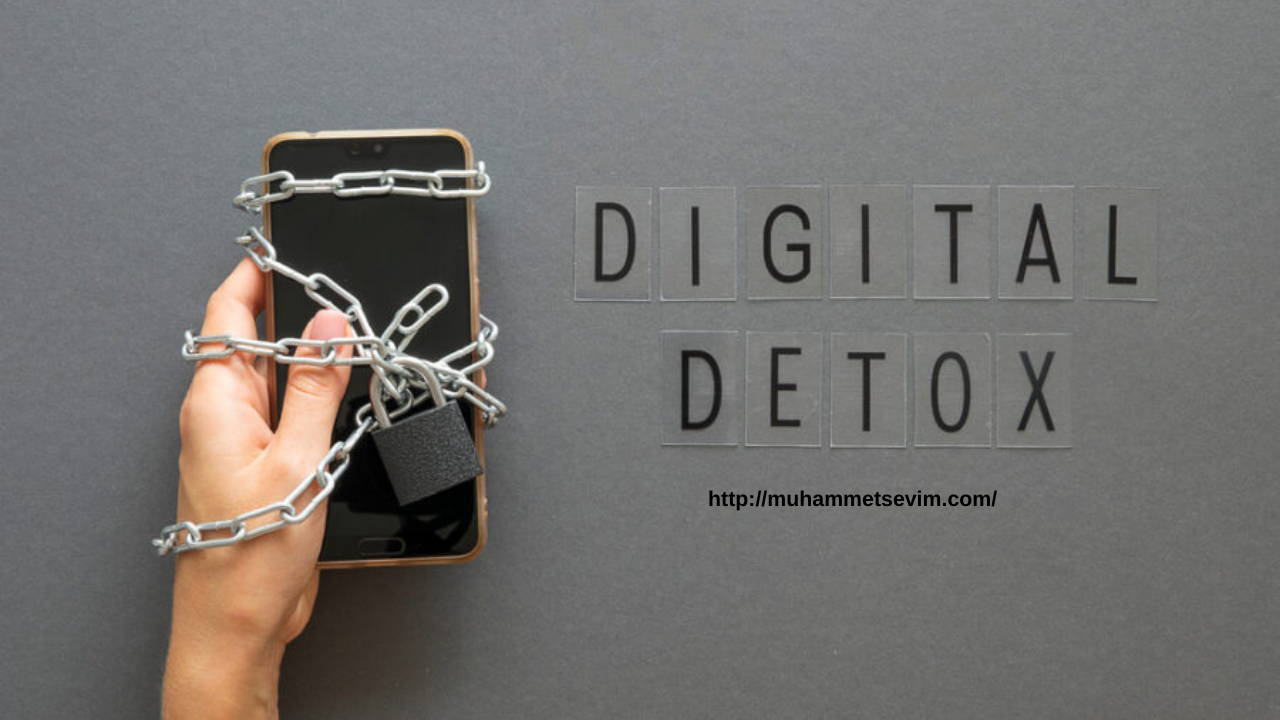
In a world where we are constantly connected, true peace of mind has become rare. The endless cycle of notifications, social media updates, and digital noise leaves many people feeling drained, distracted, and overwhelmed. For those navigating addiction recovery or working through mental health challenges, this constant stimulation can make healing even harder. Choosing to disconnect, even for a short time, can feel like a luxury. Yet research shows that digital detoxing is more than just a trend. It is a powerful tool for restoring the brain, rebuilding focus, and supporting long-term recovery.
The Hidden Cost of Constant Connection
Technology offers convenience and connection, but too much screen time can take a toll on the brain. Excessive digital use has been linked to higher stress levels, poor sleep, and difficulty concentrating. For someone already battling addiction or managing anxiety and depression, this overload creates added barriers to healing.
Digital dependence often fuels restless thoughts and prevents the brain from entering a calm, restorative state. This cycle mirrors patterns seen in substance use, where instant gratification replaces mindful living. Breaking that cycle through intentional detoxing allows the brain to reset and the body to restore balance.
How Digital Detoxing Heals the Brain
A digital detox is not about abandoning technology altogether. It is about setting boundaries that give the mind and body space to recover.
Reduced Stress and Anxiety
Stepping away from constant notifications helps regulate the nervous system. The brain shifts out of high alert mode, allowing feelings of calm and clarity to return.
Improved Sleep Patterns
Blue light from screens disrupts natural sleep cycles. By limiting evening screen use, many people experience deeper rest and more energy throughout the day.
Restored Focus and Memory
When the brain is not overwhelmed by digital noise, it becomes easier to concentrate, retain information, and engage meaningfully in therapy or daily life.
Stronger Emotional Health
Detoxing from social media helps reduce comparison, envy, and negative self-talk. This shift is especially healing for those rebuilding confidence in recovery.
Practical Steps to Begin Your Digital Detox
1. Start Small and Build Consistency
Begin with short screen-free times during the day, such as mornings or mealtimes. Consistency matters more than perfection.
2. Create Tech-Free Spaces
Keep devices out of bedrooms and therapy spaces. Protecting these areas helps nurture rest and reflection.
3. Replace Screens with Healing Activities
Engage in mindfulness, journaling, prayer, or outdoor walks. These practices not only ease cravings for screen time but also strengthen recovery habits.
4. Seek Guidance and Accountability
Talk with your counselor or recovery support group about your digital detox goals. Encouragement from others helps you stay on track.
Digital Detox as Part of Holistic Recovery
At Muhammet Sevim, we believe that recovery is about more than overcoming addiction. It is about creating balance in every area of life. Our holistic and faith-based approaches recognize the importance of healing the whole person. A digital detox is one practical way to nurture that healing by calming the brain, improving focus, and strengthening emotional well-being.
When combined with evidence-based treatment, counseling, and community support, stepping offline becomes a powerful part of the recovery journey.
Taking the Next Step
In today’s world, being offline is not just a luxury. It is an essential step toward restoring your mind and reclaiming your life. If you or someone you love is struggling with addiction or the weight of digital overload, help is available.
At Muhammet Sevim, we provide compassionate, personalized care through inpatient and outpatient programs that honor each person’s unique path. Reach out today to begin your journey toward focus, clarity, and peace.