Primary Content: Home

The Mind Reset: How Disconnecting from Screens Rebuilds Focus and Calm

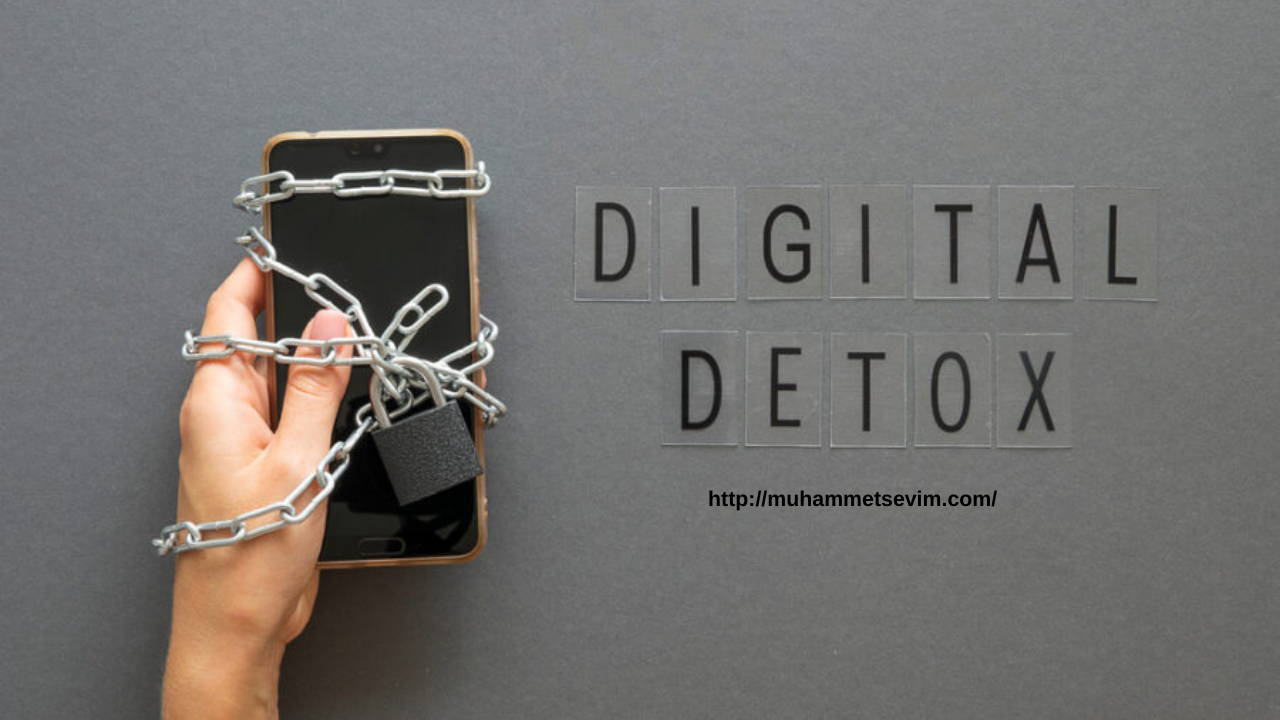
In a world where screens dominate our days, the constant flow of notifications, news, and digital noise can quietly erode our focus, emotional balance, and mental health. For those navigating addiction recovery, this digital overload can become another barrier to healing. The mind needs space to breathe, reflect, and reset. Disconnecting from screens, even for short periods, can be a powerful step toward rebuilding focus and restoring calm.

The Hidden Impact of Digital Overload in Recovery

During recovery, the brain and body are already working hard to repair the damage caused by addiction. Excessive screen time adds another layer of strain, overstimulating the nervous system and making it harder to concentrate. Social media feeds, constant news updates, and endless videos can trigger stress, comparison, and anxiety. For individuals in addiction recovery, this can disrupt sleep, weaken motivation, and slow emotional healing.

A mindful break from digital noise allows the brain to shift out of a constant state of alertness. This helps regulate mood, improve memory, and create the mental clarity needed for personal growth.

Why a Digital Detox Supports Healing

Recovery is not just about stopping a harmful habit. It is about building a healthier, more balanced life. Technology can be a helpful tool, but when it begins to control our attention, it can distract from the deeper work of healing.

Benefits of Disconnecting:

  • Improved focus: Reducing distractions allows the mind to concentrate on recovery goals.
  • Lower stress levels: A calmer mental state supports emotional resilience.
  • Deeper relationships: Less screen time makes space for more face-to-face connection.
  • Better sleep: Avoiding screens before bedtime supports healthy rest and brain recovery.

Practical Steps to Begin a Mind Reset

1. Create Screen-Free Times

Set specific hours each day where you step away from devices. Morning and evening are ideal times to give your mind a calm start and finish to the day.

2. Replace Scrolling with Soothing Activities

Instead of reaching for your phone, engage in activities that nourish your mind and body: prayer, journaling, walking, or simply sitting quietly.

3. Practice Mindful Media Use

If you need to use technology, set an intention before opening an app or website. Ask yourself what you need, then log off once you have it.

4. Use Your Support System

Share your digital detox goals with a counselor, peer group, or accountability partner. Support makes the habit change easier and more meaningful.

Building a Calmer, More Focused Life

At Muhammet Sevim’s recovery programs, we understand that healing is a whole-person process. Our approach addresses mental, emotional, physical, and spiritual well-being. Limiting digital distractions is just one of the many strategies that can support a stronger, more focused recovery journey.

If you are ready to take back your attention, find peace of mind, and build a more intentional life, we are here to help. Contact us today to learn how our personalized, holistic programs can guide you toward lasting healing.

Breaking the Scroll Spell: A Practical Guide to Reclaiming Your Time

It starts with a quick glance at your phone—just to check the time or a notification. Before you know it, you’re 45 minutes deep into a social media rabbit hole, watching videos you didn’t plan to watch or scrolling through content you barely remember. Sound familiar? You’re not alone. The habit of mindless scrolling has become one of the biggest time drains of our digital era. But the good news is: you can break the scroll spell and reclaim control of your day.

Why We Scroll—and Why We Stay Stuck

Social media platforms and entertainment apps are designed to keep you hooked. They use algorithms, endless feeds, and notification systems to keep your brain chasing dopamine hits—the same brain chemical associated with pleasure and reward.

The result? You fall into an auto-pilot mode, where checking your phone becomes a reflex. Over time, this habit chips away at your productivity, focus, and even your self-esteem.

The Cost of Mindless Scrolling

Aside from wasting time, endless scrolling can lead to:

  • Mental fatigue from constant information overload
  • Increased anxiety and comparison-driven stress
  • Reduced focus and difficulty completing important tasks
  • Neglected relationships due to digital distraction
  • Poor sleep from late-night screen use

Recognizing the impact of this habit is the first step toward change.


A Practical Guide to Reclaiming Your Time

1. Track Your Screen Time

Awareness is the foundation of habit change. Use your phone’s built-in screen time tracker or a third-party app to see how much time you’re really spending on your favorite platforms. Most people underestimate it—sometimes by hours.

2. Set Clear Limits

Once you’ve identified the problem areas, set boundaries:

  • Limit time on social media apps to 30–60 minutes per day.
  • Use app timers and downtime settings to help enforce your goals.
  • Turn off non-essential notifications to avoid constant interruptions.

3. Establish Scroll-Free Zones and Times

Make your environment support your intentions:

  • Keep your phone out of reach during meals, work sessions, and social time.
  • Charge your device outside the bedroom to avoid late-night scrolling.
  • Start and end your day without a screen—replace it with journaling, meditation, or a book.

4. Replace the Habit

Scrolling is often a filler for boredom or stress. Have a list of healthy alternatives ready:

  • Take a walk or stretch for five minutes.
  • Do a quick breathing exercise or drink a glass of water.
  • Call or text a friend for a real conversation.
  • Pick up a hobby that engages your hands and mind.

5. Use Tech Intentionally

Before opening an app or browser, ask:
“What am I here to do?”
Set a clear intention, stick to it, and then log off.


Final Thoughts

Breaking the scroll spell isn’t about rejecting technology—it’s about using it mindfully so that it serves you, not the other way around. With a little awareness and structure, you can reclaim hours of lost time and invest that energy into more meaningful, fulfilling parts of your life. Start small, stay consistent, and remind yourself: your time is too valuable to waste on autopilot.

Unplug to Thrive: The Science of Rewiring Your Brain Through Digital Detox

In a world of constant notifications, streaming content, and endless social media feeds, our brains are bombarded with digital stimuli from the moment we wake up until we fall asleep. While technology has transformed the way we live and work, excessive screen time can rewire the brain in harmful ways—leading to distraction, anxiety, and burnout. The good news is that a digital detox can reverse these effects, helping you reclaim focus, reduce stress, and rewire your brain for healthier, more balanced living.

How Technology Changes the Brain

Every time you pick up your phone to check for messages or scroll through social media, your brain releases dopamine, a chemical associated with pleasure and reward. This makes the act of checking devices addictive, creating a loop that conditions your brain to crave constant stimulation.

Over time, this digital dependence can lead to:

  • Shortened attention spans
  • Decreased memory retention
  • Increased anxiety and stress
  • Impaired decision-making
  • Sleep disturbances

When you’re constantly multitasking between apps, emails, and notifications, your brain’s prefrontal cortex—the area responsible for focus and decision-making—becomes overwhelmed. This can leave you mentally exhausted, even if you haven’t completed meaningful tasks.


The Power of a Digital Detox

A digital detox isn’t about quitting technology forever. It’s about taking intentional breaks to give your brain the rest and reset it needs. Studies show that unplugging from digital devices, even for short periods, can lead to measurable improvements in mental health and cognitive function.

Neuroplasticity: The Brain’s Ability to Change

One of the brain’s most powerful features is neuroplasticity—its ability to form new neural connections throughout life. This means you can train your brain to move away from distraction and toward focus and calm. Digital detoxing helps you break unhealthy patterns and create new, healthier habits.


Benefits of a Digital Detox

  • Improved Focus: Without constant digital interruptions, your attention span can grow stronger over time.
  • Better Sleep: Reducing screen time, especially before bed, improves sleep quality by regulating melatonin production.
  • Enhanced Emotional Health: Taking breaks from online content reduces anxiety, stress, and negative comparisons.
  • Increased Productivity: When your brain isn’t constantly switching between tasks, you can accomplish more with less effort.
  • Stronger Real-World Connections: Unplugging creates space for meaningful conversations and deeper relationships.

Simple Steps to Start Your Digital Detox

  • Set screen-free times, such as during meals or before bed.
  • Create tech-free zones in your home, like the bedroom or dining room.
  • Use apps that monitor and limit screen time.
  • Replace digital distractions with offline activities like reading, walking, or mindfulness practices.
  • Reflect regularly on how you feel when you reduce screen use.

Final Thoughts

Thriving in the digital age doesn’t mean you have to disconnect completely—it means learning to use technology with intention. By unplugging regularly, you can rewire your brain for focus, calm, and joy, leading to a more balanced and fulfilling life.

The Web Detox Playbook: Strategies for a More Balanced Digital Life

The internet has transformed how we live, work, and connect—but it has also introduced a new set of challenges. With constant notifications, endless scrolling, and the pressure to stay online, many people feel overwhelmed, distracted, and mentally drained. A web detox isn’t just about unplugging; it’s about learning to use technology more mindfully. If you’re ready to regain control, improve your focus, and build a healthier relationship with the digital world, this playbook offers practical strategies to guide your journey.


Step 1: Take Inventory of Your Digital Habits

Before you can make meaningful changes, you need to understand how and why you use the internet.

  • Track your screen time for a few days using built-in phone settings or productivity apps.
  • Identify your biggest time-drainers (social media, video streaming, news sites).
  • Reflect on how you feel after long sessions online—energized or exhausted? Connected or isolated?

Self-awareness is the foundation of any successful digital detox.


Step 2: Set Clear Goals and Boundaries

Decide what you want to achieve with your web detox. Are you trying to reduce screen time, focus better at work, or reconnect with real-life relationships? Once your goals are clear, set boundaries to support them:

  • Limit social media to specific times of day.
  • Avoid screens one hour before bed and after waking.
  • Designate screen-free zones, such as the dining table or bedroom.
  • Use “Do Not Disturb” mode during work, study, or family time.

These small changes can lead to major improvements in mental clarity and emotional balance.


Step 3: Replace, Don’t Just Remove

One of the biggest mistakes people make during a detox is simply cutting out screen time without offering their minds something meaningful to focus on. Replace mindless scrolling with:

  • Reading a physical book
  • Journaling or practicing mindfulness
  • Walking, stretching, or exercising outdoors
  • Creative activities like drawing, cooking, or music
  • Spending quality time with family and friends

The goal is to build a life that feels fulfilling—so you’re not tempted to reach for your phone out of boredom.


Step 4: Practice Mindful Tech Use

It’s unrealistic to avoid the internet completely, especially when it’s essential for work or communication. Instead, focus on intentional use:

  • Before going online, ask yourself: “What am I here to do?”
  • Stick to your purpose and log off when the task is complete.
  • Reduce multitasking by closing unused tabs and focusing on one task at a time.
  • Regularly audit your digital environment—unsubscribe from emails, unfollow draining accounts, and organize your apps.

Step 5: Maintain the Balance

A digital detox isn’t a one-time event—it’s a long-term shift in mindset.

  • Schedule regular mini-detoxes, like tech-free evenings or screen-free Sundays.
  • Celebrate your progress, not perfection. Even small reductions in screen time count.
  • Reflect often on how your digital habits align with your personal values and goals.

Final Thoughts

The web is a powerful tool—but it should never control your time, energy, or attention. With conscious effort and the right strategies, you can find balance, reclaim your mental space, and live a more present, purposeful life. Use this playbook as your guide—and start your web detox journey today.

Disconnect to Reconnect: How Digital Detoxing Enhances Real-Life Connections

In today’s hyperconnected world, it’s easier than ever to stay in touch with people around the globe—yet many of us feel more disconnected than ever. Social media, messaging apps, and constant notifications have created the illusion of connection, often at the expense of meaningful, real-life relationships. That’s where digital detoxing comes in: by intentionally unplugging from our screens, we make space to truly reconnect with the people and moments that matter most.

The Illusion of Connection

While technology offers convenience and immediacy, it also changes the way we communicate. Texts and emojis replace facial expressions and tone of voice. Online interactions often feel rushed or shallow, and we may find ourselves distracted during in-person conversations because of the urge to check our phones.

The result? Surface-level interactions replace deep, fulfilling relationships. We start to feel lonely despite being constantly “connected.”

What Is a Digital Detox?

A digital detox is a period of intentional disconnection from non-essential digital devices—especially phones, social media, and the internet. This doesn’t mean you need to go completely off the grid, but rather that you set boundaries to reduce screen time and increase awareness of how technology affects your relationships.

By stepping back from the digital world, you give yourself the opportunity to be fully present in your offline life.


How Digital Detoxing Strengthens Relationships

1. Increases Quality Time

When you put away your devices, you become more engaged and attentive to the people around you. Whether it’s sharing a meal, going for a walk, or simply talking face-to-face, undistracted time together builds stronger emotional bonds.

2. Improves Communication

Without the barrier of screens, conversations become more authentic and emotionally rich. You notice body language, facial expressions, and vocal tone—all of which are essential for empathy and understanding.

3. Reduces Misunderstandings

Texting and online messaging can often lead to confusion or miscommunication. In-person interactions reduce this risk and allow for immediate clarification and connection.

4. Builds Trust and Presence

Choosing to put down your phone during conversations signals to others that they are important and worth your full attention. This simple act builds trust, respect, and a deeper sense of presence.


Simple Ways to Start a Digital Detox

  • Create phone-free zones at home, such as the dinner table or bedroom.
  • Set screen-free times each day to be present with family or friends.
  • Plan tech-free activities like board games, hikes, or shared meals.
  • Turn off non-essential notifications that pull your attention away from real life.
  • Schedule regular detox days—even one day a week can make a big difference.

Final Thoughts

In a world where digital distractions are everywhere, choosing to unplug—even briefly—is a powerful act of self-awareness and love. A digital detox isn’t about rejecting technology entirely; it’s about using it more consciously and making space for deeper human connection.

By disconnecting from the virtual, you reconnect with the real—your relationships, your experiences, and your sense of presence. And in doing so, you rediscover what truly matters.

Reclaiming Focus: How to Break the Cycle of Digital Distraction

In an age of endless notifications, open tabs, and dopamine-triggering social media apps, staying focused has become one of the biggest modern-day challenges. Our brains, once wired for deep concentration, are now trained to seek instant gratification and constant stimulation. The result? Reduced productivity, heightened stress, and a constant feeling of mental fatigue.

But breaking the cycle of digital distraction is not only possible—it’s essential for mental clarity, creativity, and personal growth. Here’s how to reclaim your focus in a digitally overwhelming world.


Understanding Digital Distraction

Digital distraction occurs when the technology designed to connect and inform us starts to pull us away from meaningful tasks and moments. Whether it’s checking social media in the middle of a work session or aimlessly scrolling through videos before bed, these behaviors fragment our attention.

According to research, it can take up to 23 minutes to fully regain focus after a distraction. Multiply that by several interruptions a day, and you can see how digital distractions severely impact productivity and mental bandwidth.


Signs You’re Trapped in a Distraction Cycle

  • Constantly switching between apps or tabs
  • Feeling anxious or bored without your phone
  • Difficulty finishing tasks or retaining information
  • Frequently reaching for your device without thinking
  • Struggling to enjoy offline activities

Recognizing the problem is the first step toward breaking the cycle.


Strategies to Reclaim Your Focus

1. Create a Distraction-Free Work Zone

Start by redesigning your environment to support focus:

  • Turn off non-essential notifications on your phone and computer.
  • Use apps like Forest or Freedom to block distracting websites.
  • Keep only one tab or app open at a time when working.
  • Put your phone in another room or on “Do Not Disturb” during deep work sessions.

2. Practice the Pomodoro Technique

The Pomodoro Technique involves working in focused 25-minute intervals followed by 5-minute breaks. After four cycles, take a longer 15–30-minute break. This method trains your brain to concentrate and builds mental endurance over time.

3. Schedule Your Distractions

You don’t have to quit digital entertainment entirely—just make it intentional.

  • Set specific times during the day for checking email, social media, or news.
  • Use a timer so sessions don’t stretch beyond your planned limits.
  • Avoid multitasking. Give your full attention to work, then fully enjoy your downtime.

4. Rebuild Your Attention Span

Like a muscle, attention improves with regular training:

  • Read physical books to practice sustained focus.
  • Meditate or do breathing exercises for a few minutes each day.
  • Engage in activities that require concentration, such as puzzles, writing, or drawing.

5. Prioritize Sleep and Mindfulness

Digital distraction often worsens when we’re mentally tired or emotionally drained. Get enough rest, eat well, and take mindful pauses throughout the day to reset your mental state.


Final Thoughts

Digital distractions may be everywhere, but your attention is a resource you can protect and reclaim. With mindful strategies and consistent habits, you can break free from the cycle of digital noise and rediscover the satisfaction of deep focus and meaningful work. Start with small changes—your clarity and peace of mind will thank you.

Logging Out to Tune In: How a Web Detox Can Improve Mental Health

In a world increasingly dominated by digital screens, many of us are constantly connected—checking emails, refreshing social media feeds, and scrolling through endless content. While the internet offers countless benefits, it can also take a toll on our mental health. Anxiety, stress, comparison, and burnout are common side effects of excessive online time. That’s why logging out and embracing a web detox has become not just beneficial, but essential for emotional well-being.

The Mental Strain of Constant Connectivity

The internet has become a 24/7 presence in our lives. Smartphones ensure that we’re never truly offline, and many people feel pressure to stay “plugged in” at all times—whether for work, news, or social media. This constant exposure can lead to:

  • Information overload – Too much content, especially negative news, can cause stress and mental fatigue.
  • Social comparison – Seeing curated highlights of others’ lives often leads to feelings of inadequacy and low self-esteem.
  • Sleep disruption – Blue light from screens and late-night scrolling interfere with quality rest.
  • Reduced attention span – Constant notifications and multitasking make it difficult to concentrate or stay present.

These symptoms are subtle at first but can accumulate and significantly impact your emotional health.


What Is a Web Detox?

A web detox involves intentionally taking a break from non-essential internet use. This may mean logging out of social media, avoiding streaming services, or setting strict limits on daily screen time. The goal isn’t to eliminate technology completely—it’s to create space to reconnect with yourself and the world around you.


How a Web Detox Supports Mental Health

1. Reduces Anxiety and Stress

Without the constant stream of updates and notifications, your mind has room to relax. Taking a break from the digital noise allows your nervous system to reset and decreases the feeling of always needing to respond or react.

2. Improves Focus and Productivity

By stepping away from distractions, your brain can concentrate more deeply. You may notice that tasks take less time, creative ideas flow more easily, and you feel mentally sharper.

3. Enhances Emotional Regulation

Without being bombarded by online negativity or comparisons, it’s easier to stay in tune with your own emotions. A web detox can help you become more mindful, grounded, and emotionally resilient.

4. Boosts Real-World Relationships

When you’re not glued to a screen, you can invest more time in face-to-face conversations, deepen connections with loved ones, and enjoy meaningful social interactions.


How to Start Your Own Web Detox

  • Set clear goals – Decide what you’re avoiding (social media, browsing, news) and for how long.
  • Inform others – Let friends and family know you’re taking a break so they understand the change.
  • Fill the gap – Replace screen time with offline activities like reading, exercising, journaling, or spending time in nature.
  • Reflect – Use the detox as a chance to observe how your mood, focus, and energy shift without digital noise.

Final Thoughts

Logging out is more than turning off a device—it’s about tuning back into your thoughts, emotions, and experiences. A web detox offers a powerful opportunity to reset mentally, emotionally, and even spiritually. If you feel overwhelmed or disconnected, stepping away from the digital world—even briefly—could be one of the best decisions you make for your mental health.

From Doomscrolling to Mindfulness: Overcoming Internet Addiction

In today’s digital landscape, staying informed is easier than ever—but it comes with a hidden cost. Many people find themselves trapped in a cycle of doomscrolling—mindlessly consuming negative news and content online. What starts as a harmless habit can quickly spiral into internet addiction, leading to increased anxiety, reduced productivity, and emotional exhaustion. Thankfully, it is possible to break free from this pattern and cultivate a more mindful, intentional relationship with technology.

Understanding Doomscrolling and Its Effects

Doomscrolling refers to the compulsive consumption of bad news, often late into the night, with no clear benefit to the reader. This behavior is fueled by fear, uncertainty, and the brain’s natural tendency to seek out potential threats. Over time, it can:

  • Heighten anxiety and depression

  • Disrupt sleep patterns

  • Decrease focus and attention span

  • Foster a sense of helplessness and overwhelm

Recognizing the harmful impact of doomscrolling is the first step toward overcoming internet addiction and reclaiming your mental well-being.


Signs of Internet Addiction

Ask yourself the following questions:

  • Do you feel unable to control how long you spend online?

  • Are you using the internet to escape feelings of stress, sadness, or boredom?

  • Does online activity interfere with your relationships, work, or sleep?

If you answered “yes” to any of these, you might be experiencing internet addiction, and a shift toward mindfulness could make a significant difference.


Strategies to Move from Doomscrolling to Mindfulness

1. Set Clear Time Limits

Structure is key.

  • Use app timers to restrict how much time you spend on news apps or social media.

  • Schedule specific times for checking news—such as once in the morning and once in the evening—and stick to them.

2. Curate Your Content

Not all information is equally valuable.

  • Unfollow or mute accounts that constantly share negative or anxiety-inducing content.

  • Choose trusted news sources and limit the number you follow.

  • Balance your feed with positive, educational, or inspiring content.

3. Practice Mindful Browsing

Before opening an app or a website, pause and ask yourself:
“Why am I opening this? What do I hope to gain?”
Set a purpose for each online session and log off once you’ve fulfilled it.

4. Replace Online Habits with Offline Activities

Fill the time you usually spend scrolling with healthier alternatives:

  • Go for a walk, stretch, or exercise.

  • Read a physical book.

  • Journal your thoughts and feelings.

  • Meditate, even for a few minutes a day.

5. Create Tech-Free Zones

Designate areas in your home where phones and laptops are not allowed—such as the bedroom or dining room. This helps you disconnect mentally and physically from constant digital stimulation.


Final Thoughts

Breaking free from doomscrolling and internet addiction requires intention, patience, and practice. By setting clear boundaries, curating your content, and replacing mindless scrolling with mindful activities, you can regain control over your attention and emotions.
Mindfulness allows you to consume information with purpose—not fear—and creates space for joy, focus, and inner peace in a noisy digital world.

You don’t have to live at the mercy of your screen. Start small, stay consistent, and move toward a healthier, more mindful life.

The 30-Day Digital Detox Challenge: Reset Your Mind and Habits

In a world where notifications buzz constantly, and the urge to scroll is almost second nature, our connection to digital devices has never been stronger—or more overwhelming. The average person spends several hours a day on screens, often without realizing the toll it takes on their mental clarity, productivity, relationships, and sleep. That’s where the 30-Day Digital Detox Challenge comes in—a powerful opportunity to reset your mind, break harmful habits, and create a more mindful relationship with technology.

Why a 30-Day Digital Detox?

While quick weekend detoxes can be helpful, lasting change takes time. A 30-day detox gives you the structure and space to:

  • Break the cycle of compulsive scrolling

  • Reconnect with your thoughts, emotions, and real-life experiences

  • Create healthier, long-term digital habits

  • Improve focus, creativity, and emotional well-being

It’s not about quitting technology altogether—it’s about using it with intention.


Week 1: Awareness and Preparation

Goal: Observe your current habits and set the foundation.

  • Track your screen time using apps or built-in tools. Note where most of your time goes.

  • List your most-used apps and websites, and identify which ones drain your time or energy.

  • Set goals for the month. What do you want to gain—more time for hobbies, better sleep, less stress?

  • Inform your circle. Let family and friends know you’re starting the challenge—they can help keep you accountable.


Week 2: Reduce and Replace

Goal: Cut back on non-essential screen time and replace it with fulfilling activities.

  • Delete or limit use of distracting apps (like social media, gaming, or news).

  • Replace screen time with analog alternatives—read a book, cook, go for walks, or start a new hobby.

  • Establish screen-free zones (like the bedroom or dining table) and tech-free times (like mornings or meals).


Week 3: Digital Boundaries and Mindful Use

Goal: Introduce structure and intentional use of technology.

  • Use technology purposefully. Before unlocking your phone, ask, “Why am I using this right now?”

  • Set app time limits and use browser extensions to block distracting websites.

  • Schedule screen time instead of using it impulsively—designate when and how long you’ll check emails or social media.


Week 4: Reflection and Long-Term Habits

Goal: Solidify new habits and prepare for life after the challenge.

  • Reflect on your journey. What changed? What surprised you? How do you feel?

  • Reintroduce necessary apps with boundaries—only keep the ones that add real value.

  • Create a long-term digital wellness plan with built-in detox days, tech-free evenings, and mindful consumption habits.


Final Thoughts

The 30-Day Digital Detox Challenge isn’t just about unplugging—it’s about reclaiming your time, energy, and attention. By committing to this challenge, you give yourself the space to grow, reset, and thrive without constant digital noise. The result? A clearer mind, deeper connections, and a more intentional life.

Are you ready to press pause—and hit reset?

Beyond the Screen: Building a Healthier Relationship with Technology

Technology has become an essential part of modern life, offering convenience, connectivity, and entertainment. However, excessive screen time can lead to stress, decreased productivity, sleep disturbances, and weakened relationships. Instead of letting technology control our lives, we must learn to develop a healthy and mindful relationship with it. This article explores practical ways to use technology intentionally while prioritizing mental well-being and real-world experiences.

1. Recognizing Unhealthy Tech Habits

Before improving your relationship with technology, it’s important to recognize problematic patterns. Ask yourself:

  • Do you check your phone first thing in the morning and last thing at night?

  • Do you feel anxious when you’re not online?

  • Do you often scroll mindlessly, losing track of time?

  • Does screen use interfere with work, relationships, or sleep?

If you answered “yes” to any of these, it may be time to reassess your digital habits.

2. Set Intentional Boundaries

Technology should serve you, not the other way around. Setting clear boundaries can help reduce screen dependence and improve focus:

  • Establish Tech-Free Zones – Keep devices out of the bedroom and dining areas.

  • Schedule Digital Detox Periods – Set aside specific times when you disconnect, such as an hour before bed or during weekends.

  • Limit Social Media Use – Use apps that track and restrict screen time, and consider deleting unnecessary platforms.

  • Turn Off Non-Essential Notifications – Reduce distractions by muting alerts that aren’t urgent.

3. Prioritize Real-World Interactions

While technology connects us virtually, it should not replace real human interactions. Strengthen your offline relationships by:

  • Spending quality time with friends and family without screens.

  • Engaging in face-to-face conversations instead of texting.

  • Participating in group activities like board games, outdoor sports, or cooking together.

4. Replace Mindless Scrolling with Meaningful Activities

Many people turn to screens out of boredom or habit. To break the cycle, find fulfilling alternatives:

  • Read a physical book instead of browsing social media.

  • Exercise, go for a walk, or take up a new hobby.

  • Practice mindfulness activities such as meditation or journaling.

5. Use Technology with Purpose

Instead of letting devices dictate your attention, use them intentionally:

  • Ask yourself: “Why am I using this device right now?” If there’s no clear purpose, reconsider.

  • Follow a “one-screen” rule – Focus on one screen at a time instead of multitasking.

  • Curate your digital space – Unfollow accounts that don’t add value and subscribe to content that inspires or educates you.

6. Take Regular Digital Breaks

A short break from screens can reset your habits and improve mental clarity:

  • Try the 20-20-20 rule – Every 20 minutes, look away from the screen for 20 seconds at an object 20 feet away.

  • Take a 24-hour digital detox once a month to refresh your mind.

  • Designate one tech-free evening per week to focus on offline experiences.

Final Thoughts

Technology isn’t the enemy—it’s how we use it that matters. By setting boundaries, prioritizing real-world interactions, and using screens with intention, you can create a healthier, more balanced relationship with technology. The goal isn’t to eliminate technology but to ensure it enhances your life rather than controls it. Start making small changes today and enjoy a more mindful digital experience.